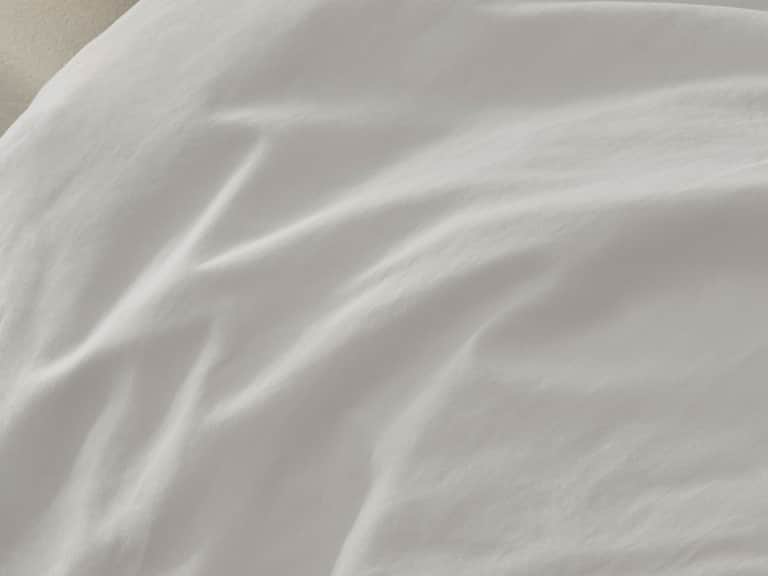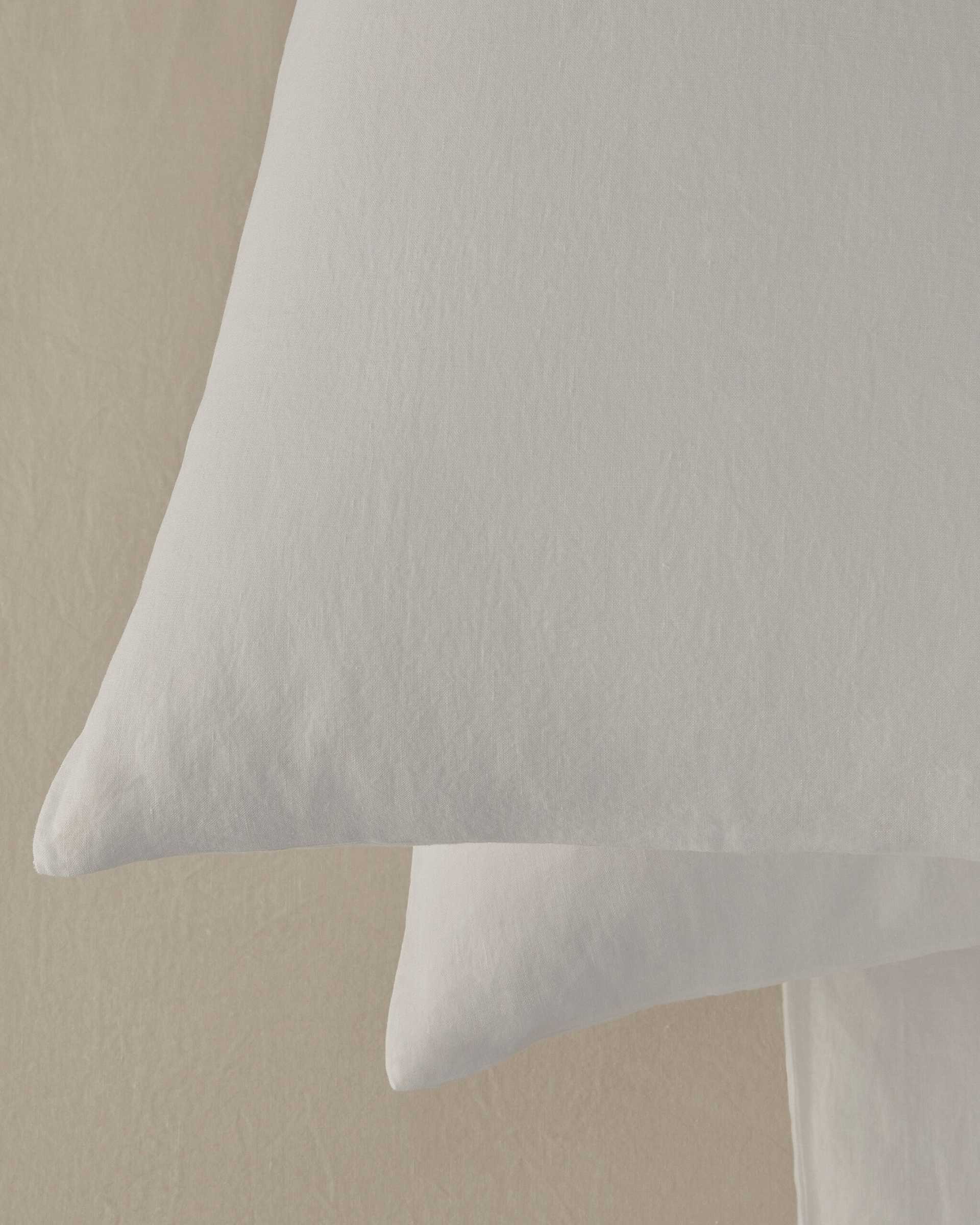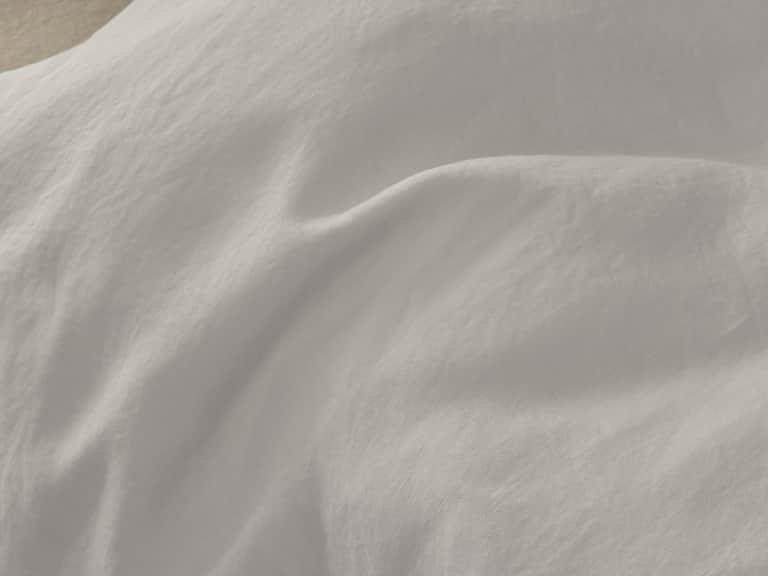
Rem Duvet Cover
Experience natural cool, breathable comfort with linen that feels unique to you. Garment-dyed tones, soft texture, and effortless care—machine washable, time-soft, and wonderfully relaxed for a serene night's sleep.
A Vogue-style exploration of how brand commitments, certifications, and material science shape the future of truly healthy slumber. From organic cotton to natural latex, and from GOTS to MADE SAFE, this guide reveals how sleeping on ethically crafted foundations can redefine comfort, sustainability, and long-term value.
In the world of bedding, the mattress is more than a surface; it is the stage upon which rest, vitality, and daily poise perform. The genesis of an organic mattress begins with materials chosen not merely for feel, but for health, ethics, and durability. Brands like Naturepedic and Vispring have built reputations on a promise: that what supports us during the night does not compromise the environment, or the sleeper’s well-being. This guide unpacks how these commitments unfold in practical, everyday terms.
To understand the appeal of organic mattresses, consider the triad of factors buyers weigh the most: materials, certifications, and construction. Materials influence breathability, temperature regulation, and long-term comfort. Certifications provide external validation that a product meets rigorous standards for safety, sustainability, and toxin-free composition. Construction informs how the layers interact—coil systems, natural latex, wool, cotton, and other fibers—affecting support, zoning of pressure points, and resilience over years of use.
Where the romance of a bed begins with plush, the true luxury lies in honesty: the absence of harmful chemicals, a transparent supply chain, and a design that endures beyond seasonal trends.
Organic cotton, natural latex, and wool are among the triad most often associated with premium organic mattresses. Each material brings a distinct voice to sleep health and comfort:
In practice, an organic mattress may integrate these materials in multiple layers: a natural latex core for support, a wool or cotton batting for temperature control, and a fabric cover that is also organic or natural. The harmony of these layers matters as much as the individual components, because sleep health is a function of microclimate, pressure distribution, and spinal alignment throughout the night.
Certifications act as independent attestations that a mattress aligns with strict ethical and safety standards. Among the most influential in this space are:
Beyond textiles, mattress certifications often extend into the entire supply chain, including adhesives, fire retardants, and foam formulations (where applicable). While some organic mattresses rely on natural latex or latex alternatives, the overarching trend remains clear: buyers increasingly demand transparency about ingredient safety and environmental stewardship.
Organic champions frequently champion natural or low-chemical constructions. Coil systems, including individually wrapped coils, can be enhanced with natural latex, wool, and cotton comfort layers to offer a breathable, supportive experience without dependence on petrochemical foams. For sleepers who favor a non-toxic interior, hybrids—combining coils with natural latex and wool—provide both contouring and resilience.
For those who prefer solid, simple architecture, all-latex or all-wool mattresses deliver a different kind of breathability and longevity. The absence of polyurethane-based foams reduces off-gassing concerns and aligns with a philosophy of cleaner air within the sleeping space.
There is a poetry to the way a mattress tells a story about its maker: a brand that discloses sourcing, processing, and finishing steps invites trust and elevates the experience from mere purchase to an act of self-care.
In the realm of organic mattresses, brand ethics are not merely aspirational; they are operational. The most compelling brands lean into supply-chain visibility, responsible sourcing, fair labor practices, and a willingness to share data about environmental impact. This transparency translates into a premium you can feel: the peace of mind that your nightly rest does not come at the expense of forests, waterways, or community well-being.
Consider how a brand communicates its values: detailed material specifications, third-party certifications, and consistent messaging across channels. The modern consumer expects that a mattress marketed as organic will be easy to verify—without having to become a detective. When a brand communicates clearly about certifications like GOTS and MADE SAFE, it invites a longer relationship built on trust, not just comfort.
Organic mattresses are an investment in health and longevity. Proper care—rotation, airflow, and occasional professional inspection of a foundation—extends the life of the mattress and preserves the integrity of its natural components. While latex tends to resist compression and wear, organic cotton covers can soften with time yet remain structurally sound. Wool battings maintain thermal performance with careful care, avoiding the kind of degradation that can accompany synthetic foams.
The long view matters: a mattress that lasts a decade or more, with materials that maintain a neutral or positive environmental footprint, becomes part of a lifestyle choice rather than a mere purchase. Brand stories that celebrate durability—through repairability programs, component replacement options, and clear warranty terms—are a hallmark of premium offerings in this space.
Within the curated ecosystem of boutique and premium D2C brands, several products illustrate the direction this market is taking. For instance, the Rem Duvet Cover exemplifies the aesthetic and tactile approach favored by designers who celebrate garment-dyed linen as a fabric that ages gracefully, gaining depth with time. While not a mattress itself, it signals the broader environment in which organic sleep is curated—attention to texture, fiber origin, and finish that complements a holistic sleep ritual.
In parallel, duvet covers like Miro Plain Duvet Cover highlight double-layer cotton voile and tonal restraint, reinforcing how even the bed’s coverings reflect an ethos of clean, restraint-loving luxury. When you pair such a cover with an organic mattress that prioritizes breathable, low-tox emissions, the entire sleep surface becomes a curated ceremony of rest.
For readers who want a direct link to product-level decision-making, consider focusing on brands that openly communicate about fiber source, processing methods, and third-party verifications. This kind of diligence translates to greater confidence in the purchase and a more satisfying, longer-lasting sleep environment.
Brand portfolios in this category often present a balanced dialogue between luxury and responsibility. They demonstrate that healthful sleep can be synonymous with environmental stewardship and ethical labor practices. When a brand names its certifications, provides detailed material breakdowns, and maintains open channels for consumer questions, it invites a form of engagement that transcends product naming and enters into daily ritual.
The sartorially calm consumer appreciates a mattress that speaks the same language as the rest of the bedroom: elevated but not ostentatious, quiet in performance, and generous in its commitments. This is the modern luxury of sleep—where comfort, integrity, and style converge in a single, uncontrived lullaby.
The organic mattress story is less about trend and more about a sustained pledge: to couple exquisite sleep with responsible living. As brands refine their materials, hone their certifications, and tune the intricate balance of support and softness, the market models a future where health, design, and ethics are not negotiable but expected. For readers, the implication is clear: investing in an organic mattress is an investment in your health, your daily energy, and the well-being of the ecosystems that cradle our planet.
This is the bedrock of a new sleep couture—a belief that the way we rest can be as elegant as the way we live. The brands that lead with transparency, that celebrate natural materials, and that honor the science of comfort will continue to shape how we dream—with intention, with grace, and with a touch of timeless luxury.
If you’d like to explore deeper, consider the following topics and questions as you evaluate organic mattress options:
Ultimately, the best choice is the one that aligns with your sleep needs, ethical values, and lifestyle. In a market increasingly saturated with claims, the truth remains simple: invest in materials and brands you trust, and your nights will be filled with a quiet confidence that travels into your days.
Among the products available on this site, one stands out for its quality of linen, garment-dyed finish, and breathable weight—Rem Duvet Cover. While not a mattress, it epitomizes the brand’s philosophy of easy care, tactile richness, and understated luxury that complements a healthy sleeping environment. This linen cover, crafted with a garment-dyed finish, embodies the calm, breathable texture that pairs well with a holistic approach to sleep health. If you are seeking a coordinated bed ensemble that resonates with the organic understatement of premium sleep, this piece provides a refined touch that harmonizes with an ethically sourced mattress.
Product highlight: Rem Duvet Cover — Linen, garment-dyed, breathable, easy care. Weight 172 g/m². Price: 775.00.
For readers exploring the domain of organic sleep, keywords weave a path toward reliable information: organic mattresses, sleep health, certifications, and ethics in bedding. By foregrounding brand commitments and transparent material disclosures, a consumer-oriented article can serve as a trustworthy compass in a market crowded with claims. The future of sleep branding belongs to narratives that balance luxury with responsibility, aesthetics with science, and design with well-being.