 Bedding
Des Blanket
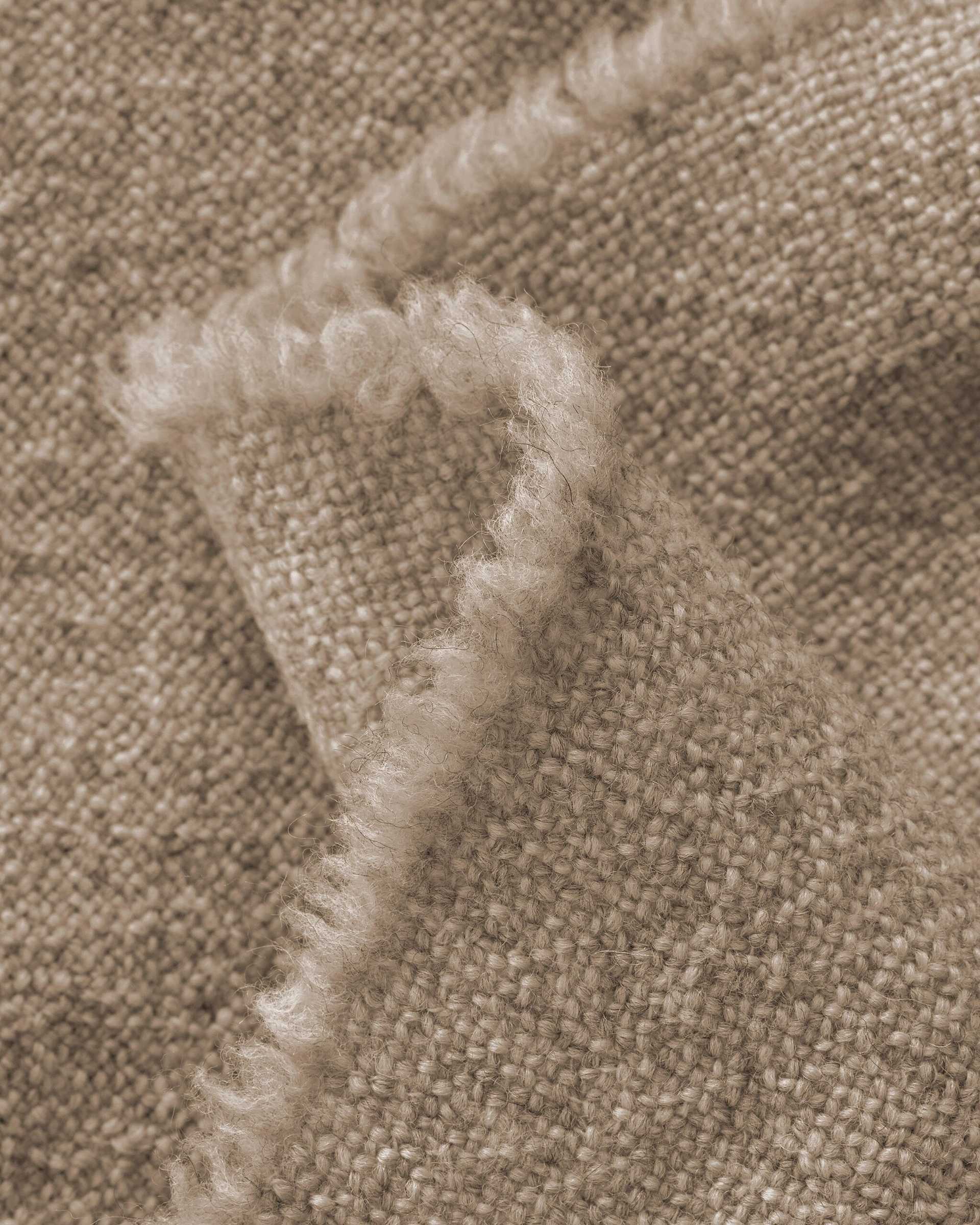
Wrap yourself in lightweight warmth and a smooth, rich feel. Garment-dyed wool brings unique colour nuances to every blanket, while frayed hems add a relaxed, natural look.
Blankets serve as versatile instruments for comfort, warmth, and everyday coziness, with materials ranging from breathable cotton to insulating wool and hypoallergenic synthetic blends. Understanding fabric weights, weave types, and care requirements helps users select options that align with seasonal needs, sleep preferences, and room aesthetics while ensuring durability and long-term usability.
In bedding ecosystems, blankets often complement sheets, duvet covers, and pillows to regulate microclimates during sleep. Key characteristics include thermal resistance, moisture-wicking properties, and tactile texture, all of which influence comfort levels. Evaluating these factors assists in creating a balanced sleep environment that supports restful nights and consistent warmth.
The Nid Blanket exemplifies how design and function converge in a modern blanket, featuring durable construction, safe dyes, and thoughtful warmth distribution. Its materials may include natural fibers for breathability and layered insulation to maintain temperature without bulk, making it suitable for various sleep settings and seasonal transitions.
For practical use, consider how a blanket performs under different conditions: layering with a duvet, draping over a sofa, or providing travel-friendly warmth. Important features to note include edge finishing, washing instructions, and potential allergen considerations, all of which influence maintenance and longevity of the product.
Meta keywords such as bedding, pillows, sheets, duvet covers, and organic mattresses connect queries to broader sleep essentials, underscoring the role of blankets within a cohesive bedroom ecosystem. By understanding fabric composition and care guidance, users can optimize comfort and functional value across the Nid Blanket and related bedding items.
Bedding