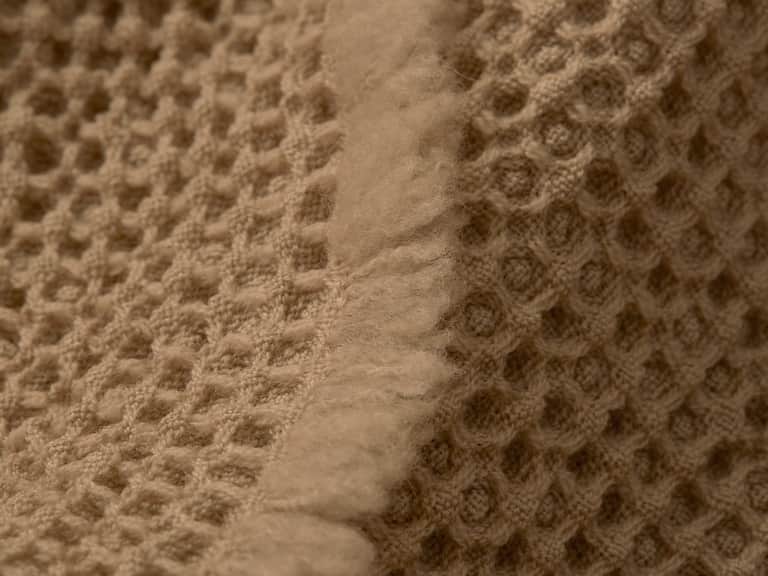
Blankets and quilts provide essential layering for warmth, comfort, and ambient climate control in any sleeping environment. This category highlights how textile construction, weight, and fiber content influence warmth retention, breathability, and durability. Understanding material choices—such as cotton, wool, or blends—helps learners evaluate suitability for different seasons and room conditions while considering hypoallergenic needs and care requirements.
Textile construction features, like weave density, stitch patterns, and finishing processes, affect drape, loft, and warmth distribution. A well-chosen bedcover or quilt can regulate temperature by trapping air within fibers and allowing moisture to wick away, contributing to a comfortable sleep surface across varied sleep preferences and bedroom temperatures.
Product examples such as the Tex Bedcover, Nid Blanket, and Goff Bedcover illustrate how design differences translate into practical benefits. Tex Bedcover offers a lightweight yet insulating layer, Nid Blanket emphasizes soft-hand feel and thermal regulation, and Goff Bedcover provides structured bulk with durable stitching for long-term use in diverse bedding setups.
When selecting blankets and quilts, practical considerations include thread count, fabric composition, care instructions, and allergy suitability. For organic and sustainable options, natural fibers and responsibly produced materials often correlate with lower chemical exposure and favorable environmental impact, while preserving comfort and performance in daily use.
In educational contexts, these products demonstrate how layering strategies, material science, and textile engineering intersect to support restful sleep. Understanding the distinct roles of bedcovers and quilts—ranging from heat retention to moisture management—helps individuals tailor bedding configurations to personal comfort, room climate, and seasonal transitions.
 Bedding